%20(3).webp)


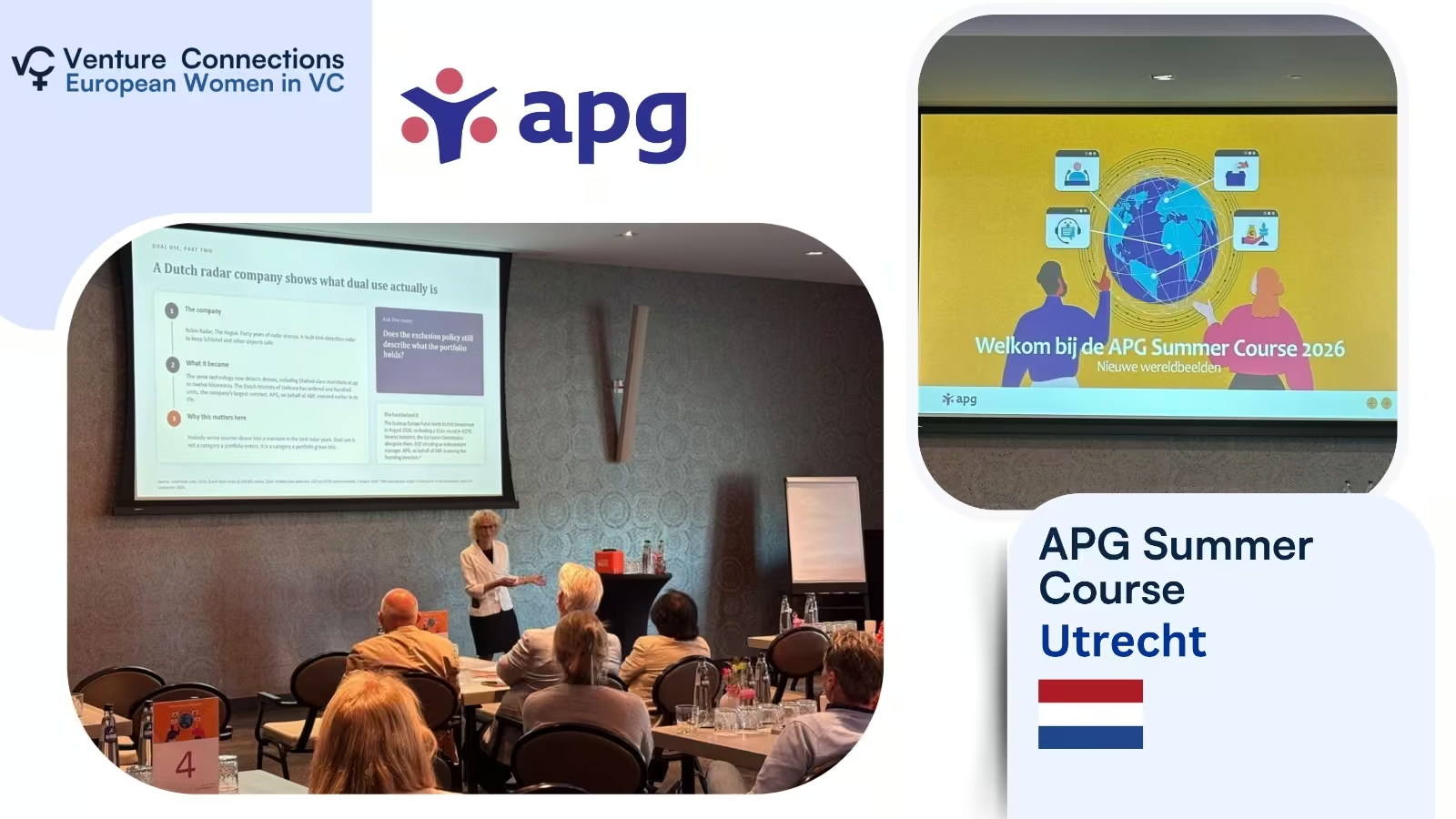
Inspiring morning at the 🇳🇱 APG Summer Course in Utrecht, in front of the boards of the 8 pension funds APG serves. Thank you Annette Mosman and Johan Barnard for the invitation, and for inviting a speaker like KInga, you knew would disagree with some others in the room! Few institutions do that.
Kinga has spent 25 years moving institutional capital into venture and growth, from the EBRD to co-architecting the EU's €3.5bn EIC Fund. Her argument to the boards, in four points:
▪️ European pension funds already own the output of venture capital. A quarter of the listed portfolio is 7 American companies, bought at index weight, after the return was taken.
▪️ Venture is 3 different risks. Structure decides. Total loss risk: 30% in a single company, near zero in a diversified fund of funds.
▪️ Mixed, female-majority teams returned 24% against 15% for all-male teams, at 43% lower volatility. Across 104 European funds. That is a screening line for a mandate - thanks IDC for your work on this!
▪️ Dual use: an exclusion policy written in 2019 may no longer describe what the portfolio already holds. The prudent answer is a definition and a limit, agreed in daylight.
After Kinga, Ambassador Joe Popolo put the American numbers on the table:
▪️ 10 to 1 gap in venture deployment into AI
▪️ 157 US funds above $1bn raised since 2016. Europe: 12
▪️ American defence primes approaching his embassy weekly about co-production
Then he asked the room the exact question Kinga had spent 30 minutes on: can more Dutch pension capital finance European scale-ups at home?
When Washington and Warsaw arrive at the same question in the same morning, it has stopped being a niche debate. It is the agenda.
And the question lands in the right country. Dutch pension funds hold 50% of all euro area pension assets, from 6% of its population. If European capital moves, it moves from here first.
The structures that let it move are being built now. The interesting question is no longer whether. It is who moves first, and on whose terms.